🏥 Left Ventricular Hypertrophy (LVH) Detection System
A comprehensive multimodal machine learning platform for automated LVH detection using ECG, MRI, CT scans, and clinical parameters
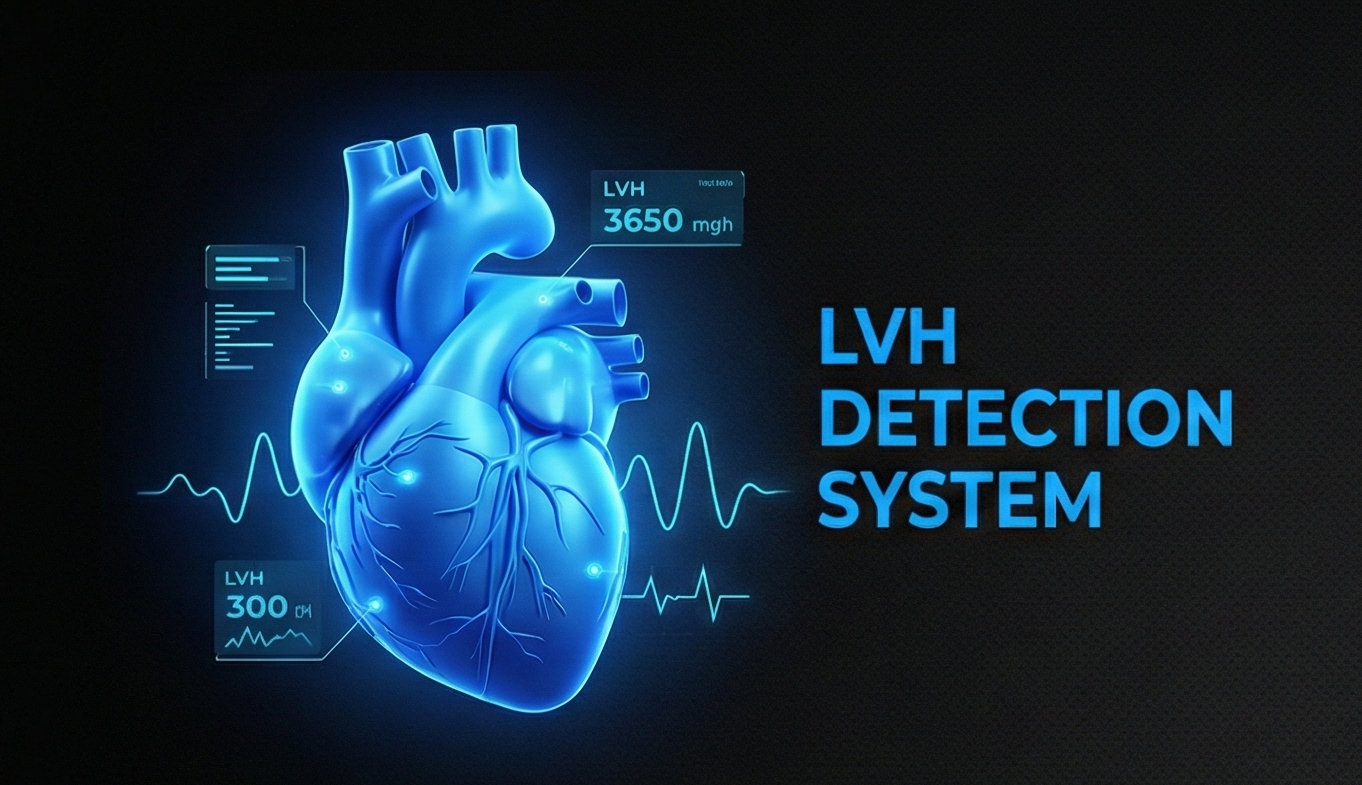
A comprehensive multimodal machine learning platform for automated LVH detection using ECG, MRI, CT scans, and clinical parameters
Left Ventricular Hypertrophy (LVH) is a critical cardiovascular condition characterized by the thickening of the heart's left ventricle wall, which can lead to serious complications including heart failure, arrhythmias, and sudden cardiac death. Traditional diagnosis methods are often time-consuming, require expert interpretation, and may lack consistency across different healthcare settings.
There is a pressing need for an automated, accurate, and accessible system that can analyze multiple diagnostic modalities—including ECG signals, MRI scans, CT images, and clinical parameters—to provide rapid and reliable LVH detection. This project addresses the challenge of creating a comprehensive, production-ready machine learning system that can assist healthcare professionals in early detection and diagnosis of LVH, ultimately improving patient outcomes through timely intervention.
The LVH Detection System is implemented as a comprehensive multimodal machine learning platform that processes and analyzes four distinct types of medical data to detect Left Ventricular Hypertrophy. The system employs nine advanced machine learning algorithms including GradientBoosting, XGBoost, LightGBM, SVM, Random Forest, MLP Neural Network, AdaBoost, Logistic Regression, and a Stacking Ensemble approach, resulting in 36 trained models (9 algorithms × 4 modalities).
The data processing pipeline begins with automated dataset acquisition from Kaggle, followed by sophisticated preprocessing that includes SMOTE (Synthetic Minority Over-sampling Technique) for class balancing, SelectKBest for optimal feature selection, and 5-fold stratified cross-validation for robust model evaluation.
The web interface is built with HTML5, CSS3, and JavaScript with Bootstrap for responsive design, offering an intuitive tabbed navigation system that allows users to upload medical files or input clinical data directly. The backend RESTful API provides JSON endpoints for programmatic access, enabling seamless integration with existing healthcare information systems.